
There's more to data center security than you think

When it comes to computers and technology, there is one thing at the forefront of everyone's minds these days: security. This idea is especially critical when talking about data centers, as digital, physical and structural security are all critical to operations.

There are a variety of different security concerns when it comes to data centers, from compliance requirements to building security to protections against the weather. Businesses need to make themselves aware of the security precautions taken by their data center service provider and carefully consider three areas of security before choosing a facility.

"Businesses need to carefully consider three areas of security when choosing a data center."

Physical
Most people think digital security is the only concern when it comes to data centers, but if the power supply cuts out or a tornado tears the facility down, that can be even more debilitating than a data breach. Consider these physical aspects when choosing a data center:

  • A secure location: The site needs to be located a good distance away from company headquarters and out of the path of natural disasters like earthquakes, tornadoes and hurricanes.
  • Redundant utilities: A secure facility will employ two separate sources for critical utilities, being able to trace electricity back to two unique substations.
  • Controlled building access: Make sure the data center has security guards in place and a limited number of entry points into the building, as well as security cameras and gates to keep out unwanted visitors.
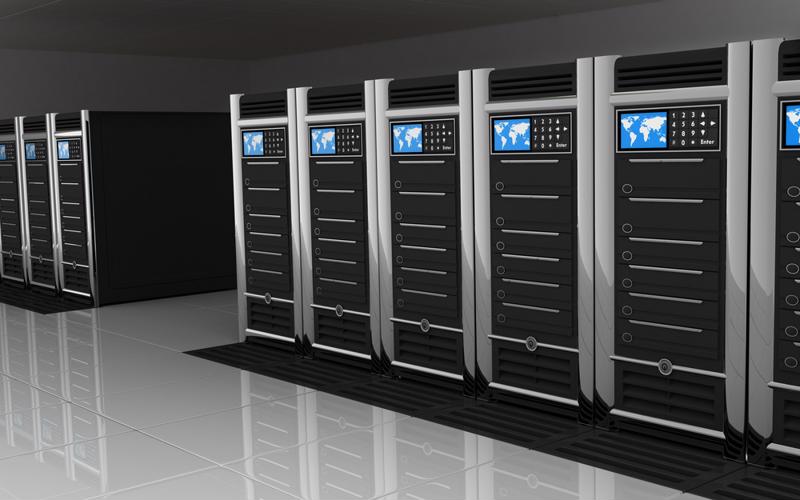
There are many different security concerns that must be addressed when choosing a <a  data-cke-saved-href=There are many different security concerns that must be addressed when choosing a data center.

Digital
While the physical considerations of a computing facility are very important to the overall security of the building, digital security precautions must also be taken in order to protect the files stored within.

  • Implement two factor authentication: Biometric identification is increasingly being used in data centers as a second layer of security to ensure only the appropriate people are handling certain information.
  • Encrypt data in motion: Encryption is a necessity when working within distributed computing environments where application workloads communicate across both private and public networks.
  • Meets multiple regulatory compliance requirements: Make sure any data center being utilized meets the necessary guidelines to be compliant with industry regulations for the sector you're operating in.

Structural
Separate from physical and digital security measures, steps must be taken to build security into a data center's infrastructure to create a robust protection strategy and atmosphere of defense.

  • Anticipate changes to workloads: Enterprise applications are not static entities, but are instead workloads that move from one location to another and must be monitored as they go. Utilizing adaptive security measures allows workloads to move freely while enabling IT administrators to focus on other business-critical operations.
  • Future-proof application development: Make sure security solutions are deployed that can stay consistent across private and public cloud platforms so the same level of protection will be maintained no matter where the apps run.
  • Audit application interactions: Periodically take stock of the traffic flowing between the individual workloads that make up each application. This will provide enterprises with a comprehensive view of the interactions taking place, as well as any connection requests from outside entities that may be popping up.

There’s more to data center security than you think

When it comes to computers and technology, there is one thing at the forefront of everyone's minds these days: security. This idea is especially critical when talking about data centers, as digital, physical and structural security are all critical to operations.

There are a variety of different security concerns when it comes to data centers, from compliance requirements to building security to protections against the weather. Businesses need to make themselves aware of the security precautions taken by their data center service provider and carefully consider three areas of security before choosing a facility.

"Businesses need to carefully consider three areas of security when choosing a data center."

Physical
Most people think digital security is the only concern when it comes to data centers, but if the power supply cuts out or a tornado tears the facility down, that can be even more debilitating than a data breach. Consider these physical aspects when choosing a data center:

  • A secure location: The site needs to be located a good distance away from company headquarters and out of the path of natural disasters like earthquakes, tornadoes and hurricanes.
  • Redundant utilities: A secure facility will employ two separate sources for critical utilities, being able to trace electricity back to two unique substations.
  • Controlled building access: Make sure the data center has security guards in place and a limited number of entry points into the building, as well as security cameras and gates to keep out unwanted visitors.
There are many different security concerns that must be addressed when choosing a <a  data-cke-saved-href=There are many different security concerns that must be addressed when choosing a data center.

Digital
While the physical considerations of a computing facility are very important to the overall security of the building, digital security precautions must also be taken in order to protect the files stored within.

  • Implement two factor authentication: Biometric identification is increasingly being used in data centers as a second layer of security to ensure only the appropriate people are handling certain information.
  • Encrypt data in motion: Encryption is a necessity when working within distributed computing environments where application workloads communicate across both private and public networks.
  • Meets multiple regulatory compliance requirements: Make sure any data center being utilized meets the necessary guidelines to be compliant with industry regulations for the sector you're operating in.

Structural
Separate from physical and digital security measures, steps must be taken to build security into a data center's infrastructure to create a robust protection strategy and atmosphere of defense.

  • Anticipate changes to workloads: Enterprise applications are not static entities, but are instead workloads that move from one location to another and must be monitored as they go. Utilizing adaptive security measures allows workloads to move freely while enabling IT administrators to focus on other business-critical operations.
  • Future-proof application development: Make sure security solutions are deployed that can stay consistent across private and public cloud platforms so the same level of protection will be maintained no matter where the apps run.
  • Audit application interactions: Periodically take stock of the traffic flowing between the individual workloads that make up each application. This will provide enterprises with a comprehensive view of the interactions taking place, as well as any connection requests from outside entities that may be popping up.
Top 3 IT trends impacting data center infrastructure

As technology continues to play an increasingly large role in the enterprise, the investment in infrastructure to sustain the necessary hardware and software has become overwhelming for many organizations, especially those in the public sector. Managing in-house IT systems without the help of an expert third party can sometimes be incredibly expensive and complicated, and few agencies have the budget or manpower to address server sprawl or maintain outdated systems and infrastructure components on their own. Conversely, while many organizations are offloading assets to the public cloud, such a strategy involves giving up a lot of control and direct oversight over data, something that government agencies simply can't do.

In order to cope with growing technological demands, many public sector organizations are now looking to take advantage of emerging IT trends – hybrid cloud computing, mobility, big data –  to offload their data center operations. State and local agencies are beginning to take advantage of the increased capabilities these new innovations offer by modernizing their data center technologies and applying hybrid cloud services wherever possible. These changes help to improve the efficiency and cost-effectiveness of their data center infrastructure, as well as protect against hardware and software failure.

Mobility
Public sector IT administrators find themselves caught between a rock and a hard place with new mobile technologies, as they offer employees a variety of benefits but also present widespread security and infrastructure challenges. Network strain, increased bandwidth demands, additional storage needs and more strict security measures all become necessary when an increased number of mobile devices are put to work within an organization. Most public sector IT departments do not have the human or fiscal resources necessary to improve and secure mobile access as they are already at their limits trying to support current data center operations. To solve this problem, many organizations are employing virtualized machines and storage to keep up with the bandwidth demands and user expectations.

Hybrid cloud computing
The ability of cloud solutions – when properly paired with on-premises options – to reduce server sprawl and maintenance worries are drawing many government agencies to the technology, and many have adopted cloud services for all of their routine business processes. A survey of government IT executives conducted last year by American City & County magazine revealed that almost half of all respondents utilized cloud services, with the most common use case being email and data storage. Participants reported experiencing a number of advantages after employing a cloud platform, including better accessibility from mobile devices, reduced IT infrastructure build-out and maintenance cost and improved management efficiency. While many government agencies aren't able to use public cloud providers because they do not hold the necessary state and local certifications, alternative solutions like colocation and shared private cloud environments are rapidly being employed. 

Big data
With so many business functions revolving around the Internet these days, government agencies and public sector organizations are dealing with massive amounts of data on a daily basis. The advent of big data analytics is making these data stockpiles incredibly useful by allowing groups to improve efficiency and decision-making, as well as creating a better understanding of citizens' needs. However, most agencies have less than half of the necessary storage capacity and computing power to effectively leverage their big data initiatives, according to the American City & County survey.

A major hurdle when employing data analytics is sufficiently meeting federal, state and local regulations regarding the proper collection and storage of data. In order to effectively secure their information, IT departments should look to utilize a tiered storage model. Each tier is dictated by specific spending, access and capacity requirements, providing each type of data with the right amount of access and security, which is generally more cost effective. Different categories of data are assigned to different types of storage solutions, placing the most sensitive information that is frequently accessed in storage from which it can be retrieved easily and data that is less critical would be kept in lower storage.

Increasing focus on data center infrastructure
Taking advantage of the hybrid cloud, mobility and big data can completely transform public sector IT operations, but changes must be made to data center infrastructure. Agencies can improve the way they manage their computing facilit​ies and boost data center efficiency by making enhancements in key areas like power usage, virtualization, data storage and network infrastructure. Changes in any of these categories would contribute to the improved efficiency, performance and cost savings of data center infrastructure, as well as creating more resilient facility. 

What do schools need to prepare for new testing standards?

The summer months are fast approaching, and with the end of school year in sight, it means students all over the country are preparing to take standardized tests before they can enjoy a three-month break. The new Common Core standards have brought big changes to the classroom, but one of the most noticeable is the online assessments that will soon be given to test how students are comprehending material. School district administrators have just about one year to go until their teachers have to start giving the online tests, so now is the time for IT decision-makers to inventory the technology and connectivity available in order to make the necessary changes before assessment day arrives.

"The Common Core digital assessment can bring challenges for schools when it comes to IT infrastructure."

The Common Core digital assessments can bring real challenges for the average school district when it comes to having the necessary connectivity and technological capacity. Even districts that have started to invest heavily in new computers and other hardware are finding that they underestimated the need for devices during the exam and will have to stagger test schedules in order to make sure all students are able to take the assessment during the required window without disrupting other class time.

New online testing requires schools to inventory their IT infrastructure.New online testing requires schools to inventory their IT infrastructure.

Schools look to enhance tech infrastructure before test season
To help school districts get ready for the Common Core tests, the two main organizations responsible for designing the test – the Smarter Balanced Assessment Consortium and the Partnership for Assessment of Readiness for College and Careers – have run pilot tests to identify any bugs in the system and are planning to stage more elaborate and comprehensive field tests of the exam closer to the launch date.

Smarter Balanced and PARCC have also each published their own minimum and recommended guidelines for the hardware, software and bandwidth required to deliver the assessments properly. Both organizations offered similar recommendations, suggesting that districts employing devices running on Microsoft operating systems use Windows 7 or higher and those running on Macs utilize version 10.7 or higher. In an attempt to guard against interruptions caused by schools' lack of connectivity, PARCC is making it possible for schools and districts to take advantage of caching, in which administrators download encrypted tests to local servers prior to the exam in order to reduce strain on local bandwidth. Smarter Balanced is not recommending schools use caching for their tests – instead the organization is relying on a process that transmits student responses to a central server bank immediately after an answer is given and protects those answers internally.

Clearly there is still a lot of work to be done within most school districts in order for them to be ready to administer the new Common Core assessments. The most reliable way for schools to ensure they will be capable of providing the connectivity and technological infrastructure necessary is to partner with a trusted service providers. The experts at ISG Technology have decades of industry experience to offer and are able to create a customized program that will meet individual school's needs. ISG enables districts to access the support and network capacity necessary for a successful deployment.

Big data causing big changes in the enterprise

A lot of IT buzzwords get thrown around without there ever really being any context as to what the technology does for a business or how many companies are actually utilizing it. For 2015, that buzzword is definitely “big data”. It pops up everywhere, but what is the real picture? According to a recent study by EMC, big data is more than just a buzzword, it’s a necessary tool for enterprise success.

The recent report “Big & Fast Data: The Rise of Insight-Driven Business” sponsored by Capgemini revealed that a growing number of companies are investing in big data initiatives and are seeing positive results. According to the study, 70 percent of IT decision-makers believe their organization’s ability to extract value from big data is critical to their future success. Another 65 percent said that they risk becoming irrelevant or losing a competitive advantage if they don’t utilize big data.

Businesses bracing for shifts as big data takes hold
The study, which included interviews with more than 1,000 senior executives and decision-makers across nine industries in 10 countries, provides a variety of insights into how companies are responding to the changes big data has brought to the enterprise. More than half of respondents believe that investments in big data will outstrip past investment in information management over the next three years. This is due in part to the fact that 63 percent of participants believe the monetization of data could potentially become as valuable as existing products and services. This is especially true among those in the telecommunications sector, where 83 percent of respondents agreed with the statement.

One of the most significant statistics is the fact that 47 percent of senior executives believe their organizations’ IT systems are not properly optimized to allow business decision-makers to do their jobs effectively. These executives reported seeing a need for increasing the cadence of their IT systems’ improvement to keep up with the increasing client, supplier and stakeholder requirements outside of their organizations.

In order to accommodate all of the changes brought about by the increased use of big data, businesses will need to ensure that their data center solutions and IT infrastructure are up to the challenge. Working with a trusted service provider to upgrade infrastructure and improve data center performance is the most reliable way to ensure that new big data initiatives will be implemented successfully.

Enterprise adoption of cloud dramatically increases as users see tangible benefits

Even though the cloud has been around for many years now, it seems like every year is the year when the technology is supposed to finally make it into the mainstream. Enterprises have increased adoption of the cloud in recent years, however, and now it seems that the technology is finally being implemented because of its real-world user benefits instead of purely based on hype. While companies once simply deployed cloud solutions because they knew they needed to invest in the technology to stay ahead of the curve, now organizations are looking for cloud platforms that can solve tangible business problems.

"94% of IT departments are expected to increase cloud use over the next 12 months."

The realization of its real-world benefits is causing cloud services to see dramatically increased adoption, with rates growing between 30 and 40 percent annually for the next five years, according to a recent report from Rise. According to the study, 94 percent of IT departments are expected to increase their use of cloud computing over the next year.

Research from other analyst firms have also found that enterprise interest in the cloud is growing. A recent report by IDC found that spending on cloud services will have created nearly 14 million jobs worldwide between 2011 and the end of this year. The top three industries expected to benefit the most from jobs created by cloud computing are communications and media, banking and manufacturing.

"For most organizations, cloud computing should be a no-brainer, given its ability to increase IT innovation and flexibility, lower capital costs, and help generate revenues that are multiples of spending," said IDC chief research officer and senior vice president John Gantz. "Enterprises that embrace cloud computing reduce the amount of IT time and budget devoted to legacy systems and routine upgrades, which then increases the time and budget they have for more innovative projects. When IT innovation happens, business innovation is reached, which then supports job creation."

Enterprise cloud investments are yielding real world benefits.Enterprise cloud investments are yielding real world benefits.

Clearly research has shown that businesses are realizing enough benefits from the cloud that they are dramatically increasing their investments in the technology. But what exactly are the advantages they are experiencing?

Modernization
The current tech landscape is changing so rapidly that even companies that try and stay ahead of the curve can suddenly find themselves using out-of-date systems and hardware in seemingly no time at all. Using the cloud allows companies to stay nimble and adapt to a changing enterprise environment without the need for large upfront investments or complete system overhauls. The cloud also makes it easy to test new programs and applications without causing too much internal disruption.  

Improved mobile access
One of the original reasons cloud computing became such a popular concept in the enterprise is because of its ability to connect people together from multiple locations at once as if they were in the same room. Employing the cloud for business allows organizations to hire the best candidate for the job no matter where they may be located, as well as quickly and easily enter foreign markets without dramatically increasing costs.

Reduction of internal IT resources
For many businesses in which IT isn't a core competency, it can be difficult to support the appropriate internal IT resources to run the company. By implementing a cloud solution, organizations can rely on a third-party provider to do much of the heavy lifting – maintaining servers, updating systems, keeping an eye on security issues, etc. For smaller companies without the budgets to hire the necessary IT staff or even larger companies that don't want to handle such tasks themselves, the cloud is a reliable option that offers enormous benefits with little hassle.

Leveraging data boom to solve medical mysteries

The Internet has made accessing vast amounts of information both easy and affordable,and is dramatically improving the research processes of many industries. One sector in particular that has benefited from the convenient access offered by the Internet is health care.

With new innovations like electronic health records, hospitals and doctor's offices are able to compile and share medical information digitally and greatly improve their knowledge of specific diseases and treatment options. Big data initiatives are also starting to play a major role in health care, with organizations using the vast amounts of available information to draw conclusions that may otherwise have gone unseen.

IBM is now looking to throw its hat in the ring in an effort to improve sharing and analysis of health data with the creation of its Watson Health business unit. The unit, which launched in early April, aims to use big data analytics and mobile technology to help doctors, researchers, insurers and patients achieve better health outcomes. Watson Health will offer cloud-based access to IBM's Watson supercomputer to enable healthcare professionals to analyze medical data. IBM has also partnered with Apple, Johnson & Johnson and Medtronic to make it easier for health care organizations to store and analyze patient data.

Taking advantage of the data boom

"Each person creates 1 million GB of medical data throughout their lifetime."

Watson Health allows users to take advantage of the cognitive capabilities of Watson and create "new health-based offerings that leverage information collected from personal health, medical and fitness devices," providing "better insights, real-time feedback and recommendations to improve everything from personal health and wellness to acute and chronic care," according to a release from IBM.

IBM's Watson supercomputer may hold the key to solving medical mysteries.IBM's Watson supercomputer may hold the key to solving medical mysteries.

Watson Health operates on a rather basic premise: Each person creates approximately 1 million gigabytes of medical data throughout their lifetime, so why not use that information to create positive health outcomes and fuel new research? A recent report by IDC Health Insights predicted that 80 percent of health care data will pass through the cloud at some point in its lifetime by 2020. The study went on to predict that this shift to the cloud will drive 70 percent of health care organizations to invest in consumer-facing mobile apps by 2018. With so much digital health information being created, and more being made all the time, there has never been a better time to use such data to improve health care and patients' quality of life.

The Watson supercomputer is able to adapt and learn based on information it is fed. The Memorial Sloan Kettering Cancer Center in New York has been inputting medical literature focused on cancer into Watson for more than three years, and the computer has used the data to learn how cancer has been treated traditionally, and perhaps eventually create new, progressive treatment options.

"What Watson can do is look at all your medical records – he has been fed and taught by all the best doctors in the world – and comes up with what are the probable diagnosis, percent of confidence, the why, rationale, odds and conflicts," said Ginni Rometty, chairman and CEO of IBM.

Rometty explained that there is differing potential for false results when diagnosing different types of cancer. Watson's first task is analyzing data on melanoma and figuring out how to determine whether a melanoma is actually cancerous.

According to Rometty, this is the ideal time to launch Watson Health because three technologies essential to the project – big data, cloud and mobility –  are converging and enabling medical breakthroughs. These main technologies already comprise more than one-quarter of IBM's business and Watson Health plans to capitalize on that.

4 green benefits of cloud computing

The U.S. celebrated Earth Day on April 22, and in honor of the eco-friendly holiday, we thought we’d look at some ways in which businesses can reduce their carbon footprint by implementing cloud computing.

1) Reduces paper waste
Paper has been a staple in offices around the world for decades, but the cloud has dramatically reduced the need to create physical documents. While external communication may still require the use of paper, internal memos and messages can all be sent electronically now. Documents and files can also be stored and shared in the cloud, improving energy efficiency as well as security, as duplicates can be created easily in a backup server.

2) Reduces energy consumption
By locating computing infrastructure off-site, organizations do not have to run the dozens or hundreds of servers necessary to keep their business running, nor any of the equipment required to cool those servers. Cloud service providers host thousands of servers within their facilities, allowing them to utilize efficient processes available to them because of their bulk.

The cloud offers a variety of eco-friendly benefits to businesses.The cloud offers a variety of eco-friendly benefits to businesses.

3) Allows employees to telecommute
Companies using internal, on-premises solutions have a hard time offering their staff remote working options because of the security risks that can arise when trying to connect to the enterprise network from an outside location.

“If 40% of employees worked from home half of the time, American companies could save $200 billion.”

The cloud offers businesses the ability to secure their networks while still increasing accessibility and improving collaboration and productivity. And the benefits do not stop there. According to Kate Lister, an analyst with the Telework Research Network, if 40 percent of employees worked from home half of the time, American companies would realize $200 billion in productivity gains and $190 billion in savings from reduced real estate expenses, electricity bills, absenteeism and employee turnover. By cutting commuting by that amount, companies will also be able to save 100 hours per person, reduce greenhouse gas emissions by 50 million tons and save 276 million barrels of oil every year.

4) Take advantage of government incentives
If you are noticing a trend of money saving benefits, it is because it really pays to go green. The cloud helps to save organizations money on its own, but the residual effects of cloud adoption also lead to cost savings. Both local governments and federal agencies offer incentives for corporate energy efficiency, ranging from tax incentives to rebates. While many states’ cloud-related tax incentives pertain solely to service providers, there are a variety of grants and tax credits available for companies taking advantage of renewable energy systems and energy efficient initiatives.

Businesses that pay attention to their carbon footprints and take steps to be more energy efficient are becoming much more popular with clients, and implementing the cloud offers enterprises a way to not only benefit the planet, but the company itself. From energy savings to lowered costs, cloud computing is a win-win solution.

C-Suites increasing concerned about cybersecurity

For retailers, the cybersecurity horror stories are almost too numerous to count: Target, Neiman Marcus, Home Depot, etc. But for executives in other sectors, the cautionary tale is that of health insurer Anthem.

For directors of companies in industries like finance and health care that are centered around client trust, suffering a major breach like the one that hit Anthem at the beginning of 2015 is just as devastating. More than 80 million account holders were affected during the breach, making it the largest hack of its kind. In an interview with CIO, Peter Gleason, president of the National Association of Corporate Directors, explained that decision-makers in these industries are especially on edge right now because cyberattacks are in the news every day and are kept front of mind.

“It’s the foremost issue on directors’ minds right now because it’s tied into the risk structure of the organization,” said Gleason.

“Last year nearly 43 million security incidents were detected.”

While the risks associated with hackers and cyberattacks are the hottest topic in board meetings, corporate oversight of cybersecurity follows behind in a close second. Last year nearly 43 million security incidents were detected, an increase of 48 percent from 2013, according to research by professional services firm PricewaterhouseCoopers. The average cost of those incidents was around $2.7 million, and the amount of businesses that reported losing more than $20 million due to a security incident increased 92 percent between 2013 and 2014. Perhaps the most worrying statistic is that as many as 71 percent of cyberattack victims did not detect the hack themselves, but instead were informed by a third party about the issue.

Recent data breach increases are causing executives to step up cybersecurity conversations.Recent data breach increases are causing executives to step up cybersecurity conversations.

Data breaches come with silver lining
While this may all seem like bad news, it does come with a silver lining. According to a recent study by business risk consulting firm Protiviti, there is a positive correlation between how much the board is engaged with cybersecurity and the strength of IT security solutions. The prevalence of data breaches has forced decision-makers to be more concerned with their organizations’ cybersecurity posture and fostered increased communication between CIOs and board members.

“By providing corporate directors with meaningful intelligence on a regular basis, savvy CIOs and CISOs not only educate their boards about the issues they should focus on as they oversee security-related initiatives; they also garner high-level support for building robust security systems and adopting processes and policies necessary to protect corporate data,” CIO contributor Stephanie Overby noted.

Cybercriminals continue to grow more sophisticated and invent new attack methods to target organizations storing large amounts of data. One of the most reliable ways to protect client data is to utilize cloud storage services. Information stored in the cloud is easily encrypted and can be kept in a separate place from other enterprise information. Employing a cloud solution also improves business continuity procedures by keeping sensitive data in the cloud as duplicate data can be stored off-site and kept safe in case a system is compromised or a disruptive event were to occur.

New survey finds clients willing to pay for stronger Wi-Fi

For most people, it would be hard to go even a few hours without an Internet connection to power a laptop or mobile device. According to a new report, consumers worldwide are more eager than ever to have access to stronger, faster and easier-to-use Wi-Fi services. So eager, in fact, that they are willing to pay a premium to get them.

A recent survey conducted by IE Market Research found that Wi-Fi is more in demand than ever, and subscribers are even willing to relinquish some of their privacy to get a better client experience and personalized offers. The study, which included responses from more than 4,000 Wi-Fi clients in 11 countries, revealed some interesting, though perhaps not surprising, facts about consumer Wi-Fi use.

“Canadian and U.S. clients are willing to pay almost 10% more on average for broadband Internet with certain amenities.”

According to the report, the biggest pain points when it comes to Wi-FI service is coverage outside the house and poor connection speed. Consumers are ready to pay extra to receive carrier-grade services, with clients in Canada and the U.S. willing to pay almost 10 percent more on average for their broadband Internet if it includes service outside of the home and provides a high-connection speed, seamless connections across various endpoints and has automatic handoff to cellular networks.

Consumers are looking for an improved Wi-Fi experience.Consumers are looking for an improved Wi-Fi experience.

Stronger, more personalized Wi-Fi top priorities
So interested in stronger Wi-Fi connections are consumers that nearly 66 percent of those surveyed said they would consider replacing their cellphone plans with a Wi-Fi first offering. Kristin Dolan, chief operating officer of Cablevision, explained this growing trend by saying that cellular networks were built to carry voice, while Wi-Fi connections were meant to handle data. As consumers spend more time using the Internet on their phones and doing things other than make calls like watch video, Wi-Fi becomes the channel of choice for many users.

“Connectivity, particularly wireless, is going to become more and more important to our consumers,” said Cablevision CEO James Dolan. “Connectivity has surpassed video as the primary product for a company like ours. And we need to continue to strategize our product offerings to reflect that with different packaging, etc., which is something I think we will do in 2015.”

Another interesting fact the survey uncovered is that 80 percent of participants said they would feel comfortable allowing their service provider to collect personal data if it would make the marketing and client service experience more personalized and satisfactory. Another 7 percent of respondents said they would even be willing to pay more for their service each month if it meant they would get customized offers and personalized service.

“Clients are looking for customized care,” said Nizar Assanie, vice president of IE Market Research. “This question wasn’t asking whether they’d pay more as a line item for customized care. But they did see the value in it. There is a demand for personalized client support and better quality of service and consumers are willing to pay to get it.”