
Posts

Should companies embrace Microsoft’s Azure IoT Edge?

As of late June 2018, one of Microsoft's newest software platforms, Azure IoT Edge, is generally available. This means that commercial enterprises and independent consumers now have access to it and, thanks to Microsoft's decision to take the platform open source, can begin modifying the technology to fit specific needs.

Every innovation brings new opportunity and unforeseen challenges, and there is no reason to suspect that Azure IoT Edge will be any different. Even programs created by technology industry leaders like Microsoft have their potential disadvantages. 

What exactly is Azure IoT Edge?
Simply put, Azure IoT Edge represents Microsoft's plan to move data analytics from processing centers to internet of things enabled devices. This sophisticated edge computing technology can equip IoT hardware with cognitive computing technologies such as machine learning and computer vision. It will also free up enormous bandwidth by moving the data processing location to the device and allow IoT devices to perform more sophisticated tasks without constant human monitoring.

According to Microsoft, there are three primary components at play:

  1. A cloud-based interface will allow the user to remotely manage and oversee any and all Azure IoT Edge devices.
  2. IoT Edge runtime operates on every IoT Edge device and controls the modules deployed to each piece of IoT hardware.
  3. Every IoT Edge module is a container that operates on Azure services, third-party software or a user's personalized code. The modules are dispersed to IoT Edge machines and locally operate on said hardware.

Overall, Azure IoT Edge represents a significant step forward in cloud computing and IoT operations, empowering devices with functionality that wasn't before possible.

Devices like drones will be able to carry out more sophisticated tasks using Azure IoT Edge. Devices like drones will be able to carry out more sophisticated tasks using Azure IoT Edge.

The cybersecurity concerns of Azure IoT Edge
It is worth remembering that IoT hardware has a long and complicated history with cybersecurity standards. Considering the bulk of IoT technology adoption has been driven by consumer, rather than enterprise, products – issues like security and privacy were placed second to interface design and price point.

Research firm Gartner found that 20 percent of organizations had already reported at least one IoT-centered data breach within the three years leading up to 2018. This risk has led to IoT security spending that is expected to cost $1.5 billion globally in 2018. Some companies scrambling to make their IoT hardware more secure may want to leave this problem as a priority over incorporating Microsoft's newest software platform.

Another potential issue is Microsoft's decision to make the platform open source. The original code is public knowledge and now available to all to modify for personal use. While this flexibility will greatly help the product's user base expand, open source programs have not historically been the most secure from cybercriminals.

Many ecommerce websites ran on the Magento platform, an open source solution that became the target of a brute force password attack in 2018, which ultimately proved successful. The resulting data breach led to thousands of compromised accounts and stolen credit information.

A Black Duck Software report tracked open source programs as they have become more widespread. While the overall quality of open source code is improving, the study found that many organizations do not properly monitor and protect the code once it has been put in place, leaving it vulnerable to exploitation from outside sources.

"Microsoft annually invests $1 billion in cybersecurity research."

The Microsoft advantage
However, Microsoft is arguably in position to address the major security concerns with its Azure IoT Edge platform. The company invests over $1 billion in cybersecurity research each year. According to Azure Government CISO Matthew Rathbun, a lot of this money is spent  with Azure in mind:

"Ninety percent of my threat landscape starts with a human, either maliciously or inadvertently, making a mistake that somehow compromises security," Rathbun told TechRepublic. "In an ideal state, we're going eventually end up in a world where there'll be zero human touch to an Azure production environment."

Azure IoT Edge represents a bold step forward in empowering IoT technology and improving automated productivity. While there are risks associated with every innovation, Microsoft remains committed to staying at the forefront and protecting its platforms. Companies should be willing to invest in Azure IoT Edge while remaining vigilant about the possible risks. 

The CIO’s guide to lowering IT costs and boosting performance

There’s one question that haunts every single business leader, regardless of industry, business size, mission statement or product. How do you lower costs without sacrificing performance?  If you can answer that question effectively, you’re set up for ROI and stability. If you can’t, you won’t be a business leader for long.

To complicate matters, the answer will vary for different departments within your organization. The strategies that lower IT costs may or may not work when you turn to HR or accounting. Some techniques are universal, and some are functionality-specific.

In this whitepaper, we’re going to focus on trimming your company’s IT costs.

But before we dive in, there are no magic bullets here. The suggestions outlined below aren’t even particularly innovative or unique. Instead, they’re solid. When combined, you’re sure to see a difference in your technology budgeting.

If you’re serious about reducing your IT costs, this is how you can do it.

Learn to be proactive

We begin with an underlying philosophical approach. Stop waiting for network problems to pop up before you address them. Get out in front of potential technical issues by becoming a proactive organization.

The primary advantage of getting proactive is a reduction in downtime. Few things will drive IT costs up like downtime. The hourly cost of downtime varies, of course, with estimates soaring as high as $100,000 per hour in some cases.

There are two things you can do to stop downtime before it starts.

Man and woman looking at monitor

Infrastructure monitoring and alerting

The only way to know if your IT network is healthy is to monitor it. If there are warning signs, alerts should trigger appropriate preventative action. If you’re unfamiliar with monitoring and alerting, Network World has a great introductory article on the subject.

Patching and updating

Software patches are critical for network health. They include everything from security updates to bug fixes. They’re easy to overlook, though, because they rarely feel urgent and they seem so frequent. We strongly encourage you to make them a priority if you’re interested in lowering potential IT costs.

Tackle IT projects strategically

No organizational project should ever begin without clear objectives. That’s particularly true for IT projects where timelines, budgets and organizational impact can easily get out of hand—if you don’t have a solid game plan.

We recommend a balanced approach. Yes, upfront IT costs are a consideration. However, you should also think about productivity, integration, efficiency, reporting, training and employee satisfaction before you undertake a new IT project.

For example, there are compelling reasons to move from a PBX phone system to a hosted voice solution, but there’s more to the decision than the math. Also consider how your staff, customers and processes will be affected by such a foundational change.

Utilize outsourced support

While many CIOs are hesitant to embrace outsourced IT support, there’s a strong case to be made for the change. Not only that, but you don’t have to approach the decision focused exclusively on an absolute solution.

Why not have both in-house and outsourced IT support? Just make sure you use the two support sources differently in ways that make strategic sense. Some tasks, due to security, compliance or other business needs, are better kept in-house. And some tasks can be effectively managed by an outsourced firm at a fraction of the cost.

Additionally, keep in mind that even a world-class outsourced IT support provider will need your organization to play an active role. Take the time to find the best way to work with your IT support provider and don’t forget to bring your employees into the loop.

Take cybersecurity seriously

It’s difficult to overstate the importance of cybersecurity. In the last year alone, the headlines have been littered with horror stories of data breach. It only takes one cybersecurity lapse to compromise your company’s data and devastate your reputation.

Just one.

Cybersecurity key on keyboard

While it’s possible to handle network security on your own, we highly recommend partnering with a managed IT services provider for the best possible protection. Cybersecurity is a complex, multi-layered issue. This is one area where it’s simply pragmatic to trust an expert.

The moderate IT cost of cybersecurity protection from an MSP far outweighs the negative impact of a successful cyberattack.

Get your employees up to speed

We’ve touched on this idea a couple of times already, but it deserves its own section. If you’re not convinced, consider this. 100% of government IT workers surveyed report that they believe employees to be the single greatest threat to cybersecurity.

You read that right. 100%.

That doesn’t mean most employees mean to pose a risk. In many cases, employees simply don’t know the best practices necessary to maintain network security. The same goes for every other factor that can drive up IT costs, from downtime to productivity.

Employees need to know how to protect data, utilize available IT tools, and interact productively with IT support to lower IT costs.

Prepare a worst-case-scenario plan

Finally, few things will unexpectedly add to your IT costs like a disaster. Disasters include things like floods, hurricanes, tornadoes and fires, as well as smaller downtime-causing incidents like power outages and equipment failure.

In other words, a “disaster” is anything that takes your IT network offline.

How you react in the face of a disaster, regardless of scale, will either set you apart from the competition or bury you beneath them. The deciding factor is typically your level of preparation. Smart CIOs make sure their companies have a complete backup and disaster recovery plan.

Everyone in your organization, from your IT support (in-house or outsourced) to customer service and sales should be familiar with your backup and disaster recovery plan. The less time you spend offline, the lower the impact on your reputation and your revenue.

Wrapping up

It’s not that difficult to lower IT costs while simultaneously boosting organizational performance. All that’s required is a strategic approach that includes all of the above areas. If you cover these bases, your company will operate more efficiently without incurring unnecessary expenses.

That’s a major win for any CIO.

Is blockchain the antidote to all cybersecurity woes?

Blockchain has been turning heads since it was first unveiled in 2008 to become the backbone of then relatively unknown cryptocurrency, bitcoin. Since then, blockchain and Bitcoin have skyrocketed in public awareness, with the latter becoming the most successful cryptocurrency in history. A large portion of bitcoin's success is due to its blockchain infrastructure, which prevents the duplication of funds (preventing double-spending) and automatically time-stamps every transaction.

The developer (or developers) behind blockchain created the software to be resistant to alteration or hacking, making it one of the more inherently secure systems that companies can use to manage secure infrastructures. Some have heralded blockchain as the ultimate tool to promote cybersecurity and reduce the risk of data breaches.

Then bitcoin, in addition to several other cryptocurrencies, were hacked. According to CNN, the attack erased the equivalent of billions of dollars and sent the value of the affected cryptocurrencies plunging. The incident has many questioning just how secure blockchain is and whether the software was simply a temporary fix, like so many others, against the ever-present threat of cyberattacks.

"Blockchain can give each registered device a specific SSL certificate for authentication."

The case for blockchain
While buzzwords are common in the tech industry, there are several legitimate reasons why blockchain has been celebrated as a secure platform. According to Info Security Magazine, one of blockchain's primary appeals is its decentralized data storage. While users can access blockchain data on a computer or mobile device, the program itself is typically stored throughout the network.

If one access point – or block – is targeted by hackers, then the other blocks will react to it. The attempted cyberattack will likely alter the data on the block in a way that is immediately noticeable by the rest of the chain. This block will then simply be disconnected, isolating the malicious data before it can impact the system.

Another helpful advantage of blockchain is its effectiveness against dedicated denial of service attacks. These cyberattacks target the domain name system, flooding it with so much data traffic that it essentially shuts down. Using blockchain software would allow the DNS to spread its contents to more nodes, reducing the effectiveness of the DDoS attack before it reaches a crippling stage.

Networks using a blockchain infrastructure can also bypass the need for passwords in certain situations. Instead of using the human-oriented password system, blockchain can give each registered device a specific SSL certificate. This mode of authentication is a lot more difficult for outside sources to access, reducing the likelihood of a hack.

Removing dependence on passwords may sound less secure but it is actually seen as an improvement. Employees can be careless with their login information or choose passwords that can be easily deduced by third parties. Eliminating the human factor from authentication actually goes a long way by removing one of the most common exploit points.

However, no system is 100 percent secure.

The McAfee Report
While many companies preach the value of blockchain, global computer security software company McAfee recently released a critical report on the software, stating that industries have every reason to expect cyberattacks. McAfee looked at early blockchain adapters, namely cryptocurrencies, and studied the types of cyberattacks still occurring within these companies.

The report identified four primary attack types: implementation exploits, malware, phishing and general technology vulnerabilities. Certain cryptocurrencies themselves have been used to help the spread of advanced malware, including ransomware. Coin miner malware alone grew by 629 percent in the first quarter of 2018, according to McAfee data.

Cybercriminals have also been using cryptocurrencies to mask their identities, taking advantage of blockchain's secure features to help them evade the law.

Blockchain builds its infrastructure securely, but not in a manner that is invulnerable. Blockchain builds its infrastructure securely, but not in a manner that is invulnerable.

What companies can learn from the cryptocurrency attack
Lastly, however, the attack of the cryptocurrencies themselves should highlight the limitations of blockchain. While the program may be innately secure, it is not an excuse to abandon other forms of caution. Technology is spreading at a rapid pace with information security specialists struggling to catch up.

In short, blockchain should be seen as just another tool and not a cure-all for cyberattacks. Its architecture can be helpful but must be implemented in a thorough, professional manner. Even then, it should also be paired with other programs and employee training to best reduce the risk of cybercrime.

How cloud infrastructure can help the retail sector

Cloud computing has caught on in a big way. A recent report from Right Scale found that 81 percent of the enterprise sector has adopted a multi-cloud system in at least some way. Public cloud adoption rates have continued to climb, as well, with the report noting that 92 percent of users now employ cloud technology (up from 89 percent in 2017). Across the board, cloud networks are gaining usership due to its improved interfacing, less dependence on in-house technical teams and flexible program structure.

However, some industry verticals continue to lag behind. The latest international Bitglass survey found that the retail sector has been slow to adopt cloud infrastructure. Only 47.8 percent of responding retail organizations had deployed the often-used Microsoft Office 365 suite, and Amazon Web Services – the most popular cloud system – was only used by 9 percent.

In short, retail is being left behind, and that lag is a serious problem for the industry – in part because retail is a sector that can profit immensely from successful cloud integration. However, cybersecurity concerns and technical knowledge limitations may be slowing down the adoption rate.

Taking advantage of mobile hardware
Almost everyone has a smartphone, that’s not an exaggeration. According to Pew research data, 77 percent of Americans have this hardware, and that number has been climbing steadily. Since smartphones are becoming cheaper and more user friendly, it is unlikely to think this device will be replaced in the near future.

Because smartphones are so ubiquitous and convenient, consumers are using them for a wide variety of tasks, including shopping. OuterBox found that, as of early 2018, precisely 62 percent of shoppers had made a purchase through their phones within the last six months. Another 80 percent had used their smartphones to compare products and deals while inside a store.

With a cloud infrastructure, retailers can better take advantage of this mobile world. Successful retail locations should consider maintaining at least two online networks – one for customers and another for employees. This setup will prevent bandwidth lag and help keep the consumer away from sensitive information. In addition, creating a mobile experience that is user friendly and seamlessly interwoven with the physical shopping experience is paramount.

Rather than building such a system from the ground up, retailers can take advantage of the numerous infrastructure-as-a-service cloud options available, leveraging a reliable third party rather than an in-house IT team.

Shoppers are already augmenting their experience with external online information. Shoppers are already augmenting their experiences with external online information.

Getting ahead of the latest trends
Data drives business intelligence, this is true in every enterprise sector. In retail, housing the right products can mean the difference between turning a profit and going out of business. However, retailers still using traditional sales reporting will be slow to react to shopping trends, as these reports can take months to compile.

Data analytics is the actionable side of big data. In retail, customers convey valuable information about shopping habits before they even enter the store, but if this data is not being captured, it is essentially useless. Bringing in an encompassing data analytics solution, which can read information such as store purchases, response to sales and even social media reaction, can provide retailers with extra information to make actionable decisions.

“This analysis removes the guesswork about what will sell and which styles will flop on the shelves,” Roman Kirsch, CEO of fashion outlet Lesara, stated in an interview with Inc. “We don’t just know which new styles are popular, we can also identify retro trends that are making comebacks, which styles are on the way out, and that helps us to precisely manage our production.”

Improving inventory management
In addition, data analytics can be paired with a responsive inventory management program. Retail-as-a-service solutions exist and can be used to track stock availability, shipping orders and in-store details. With this software, retail companies can get a real-time image of how well products and even entire locations are performing.

These solutions can prevent item shortages before they occur and give retail chains a greater understanding of performance at every location.

Using inventory management solutions can help retailers maximize their shipping profits. They can ship either directly to the customer or to the retail location most in need. Using inventory management solutions can help retailers maximize their shipping profits. They can ship directly to the customer or to the retail location most in need.

Concerning cybersecurity
Perhaps one of the factors slowing the adoption of cloud technology in the retail sector is cybersecurity. Retail organizations process multitudes of consumer credit information by the day, and the fallout from a data breach can be fatal in this sector. When faced with using cloud technology or in-house data center solutions, retail executives may believe that the safest hands are still their own.

However, this may not be the case. Research firm Gartner predicted that through 2022, 95 percent of cloud security failures will be the customer’s fault, meaning that issues will not come from a software defect but through poor implementation. The firm also concluded that cloud structures will see as much as 60 percent fewer cyberattacks than those businesses with in-house servers.

Cloud infrastructure is secure but must be installed and operated properly. The only thing that retail agencies have to fear when it comes to this new solution is technological ignorance, but many cloud providers and third-party services stand ready to aid in the installation process.

Should companies embrace wearables?


Technology has gotten far more mobile within the last decade. The laptop was already allowing employees to maintain productivity on the go, but this device got augmented by the arrival of the commercial smartphone, tablet and, now, wearables. Each new hardware unveiling has increased the amount of work that can be done while mobile. This shift is leading some in the enterprise space to rethink office structure and workflow.

However, should businesses be embracing innovation at this pace? Rapid adoption of any new technology has downsides and, with cybersecurity concerns on the rise, utilizing innovative hardware can have serious repercussions. Since wearables represent the newest hardware and software infrastructure hitting industries, the question becomes: Should companies embrace this technology or exercise caution until it has become more mainstream?

“Mobile workplaces lead to improved employee retention.”

The advantages of workplace mobility
A mobile workplace strategy provides several advantages. Many of these benefits, such as the greater likelihood for increased collaboration among employees, are straightforward. The more data that workers can store on their person, the less they’ll have to retreat to their desks to retrieve information.

Another benefit that may not be so apparent is how mobile workplaces lead to improved employee retention. Workers who sit at their desks all day are likely busy but may not be engaged in the workplace or its culture. This sentiment makes the task just another job, and, eventually, the employee may leave to find another that pays better or offers superior benefits. According to Deloitte data, however, engaged employees are 87 percent more likely to remain at their companies.

Mobile workflow allows workers to get up, be more flexible and do more, all of which can lead to higher levels of productivity and revenue for a business. In some ways, wearables represent the pinnacle of mobile workplace technology. With a device like augmented reality glasses, workers don’t even have to glance down at a screen to see data. This flexibility means employees can update one another in real time with the most relevant data.

How to embrace BYOD  for wearables
It feels strange to say now, but the smartphone did not begin with the iPhone. Blackberries and other enterprise devices existed for years prior to Apple’s launch. However, within less than a decade, Apple and Samsung overthrew the Blackberry and are enjoying immense adoption rates. What’s the reason? People liked using the tech.

Likewise, workers brought this hardware to the office before many organizations had concrete “bring your own device” policies in place. Some businesses still resist given the information security concerns associated with BYOD. However, rejecting BYOD can be just as perilous because many employees will still use personal devices anyway.

The better option is to embrace the mobile nature of this new hardware and work to develop a comprehensive BYOD policy that reflects and monitors every device. According to Tenable, many companies make BYOD available to all (40 percent) or some (32 percent) of employees, so the goal is design a strategy that reflects each employee’s device usage.

Pew Research found that, unsurprisingly, 77 percent of Americans own a smartphone. Another 53 percent own a tablet. Wearables are newer, so their device distribution is much lower. Even relatively common devices like Fitbit have not reached the level of tablets. Wearable glasses have yet to have their “iPhone moment,” where one consumer device connects and enjoys wide commercial appeal.

That said, a lower number of these devices does not mean companies can ignore them. Valuable data can be stored on a smartwatch as easily as it can on a laptop. Companies using BYOD should plan for wearables now before the devices become mainstream, allowing IT teams to create and deploy a strategy that will be safe.

Most wearables are linked to a smartphone, meaning they share the same data library. Most wearables are linked to a smartphone, meaning they share the same data library.

The problematic nature of cybersecurity
Cybersecurity has been struggling to keep pace with the internet of things in general and, unfortunately, wearables are no exception. A product examination conducted by HP Fortify found no hardware with two-factor authentication but noticed that all tested smartwatches stored confidential information that could be used for identity theft. These devices also received limited security updates.

Wearables will likely be driven by the same commercial appeal that spurs other recent technology, meaning that the two factors that will be stressed above all else will be price and usability. While this focus will make employees happy, it can create fits for an IT team or chief information security officer.

To help improve the cybersecurity of these devices, businesses can treat them similar to smartphones by placing them on a different network with less compromising information. Organizations can also look to implement custom multi-step authorization software whenever possible.

Augmented reality glasses often have live feeds meaning that, if hacked, outside sources can see operating data. Augmented reality glasses often have live feeds meaning that, if hacked, outside sources can see worker operations.
Know which wearables can make an impact
Lastly, businesses should not presume that all wearable technology will be viable in an enterprise setting. For instance, AR glasses will need a battery life of at least eight hours to last a full day of work, and smartwatches will have to be durable enough to withstand occasional bumps, even in an office environment.

Before investing in any official company-sanctioned hardware, thoroughly research and test devices to be sure they perform well in a typical environment. Wearables are cutting-edge technology, and many products now are designed for only niche markets rather than the mainstream.

So while companies can adopt wearables now, it makes sense to first have a policy in place. This isn’t the iPhone. Businesses have a chance to get ahead of mass wearable adoption and create policies that make sense rather than reacting to the latest tech trend.

Cybersecurity tips at a glance: Managing IoT devices

As the realm of the internet of things grows, it is important to understand all aspects of the technology's performance. Companies and industries that see only the benefits open themselves up to data breaches, public embarrassment and even legal action. IoT technology can boost productivity when done right but lead to costly and unnecessary expenses if utilized without proper foresight.

The possible downsides of exercise wearables
Employee wellness is a trend that is sweeping across industries. These initiatives have shown positive results, such as increasing worker morale and promoting healthy behaviors. One study from the Journal of Occupational and Environmental Medicine even found that employee wellness diet programs can reduce health risks.

To this end, exercise wearables, such as Fitbit, appear to make sense. These devices can track heart rate, body temperature, calorie consumption and sleep quality. Many come with a social aspect, as well, allowing co-workers to engage in friendly competition to see who is the most active within the office.

For many industries, these wearables have no real downside. However, employers should know that the data gathered by many fitness wearables can be used to track employee location. This vulnerability has been problematic, especially for those working for the U.S. armed forces. According to The Washington Post, several previously secret military bases were revealed when data gathered by GPS tracking company Strava was made public.

The U.S. army had been using these fitness wearables for their advantages without fully understanding how the technology could be exploited. Most commercial hardware is designed for ease of use and cost affordability. These traits are in part the reason why IoT has famously encountered cybersecurity concerns over the past several years.

For enterprises working with sensitive and classified materials, IoT wearables may have a downside. Outside parties, benign and malicious, can track employee movement, knowing more about workers than may be deemed safe.

Augmented reality glasses can also potentially leak vital secrets, as they see and record all the employee does. Augmented reality glasses can also potentially leak vital secrets, as they see and record all the employee does.

Know where backup data is stored
Many IoT devices provide extra "eyes" on the field. Drones have been performing various types of reconnaissance missions for decades, whether for government contractors or farmers wishing to understand more about their soil. These unmanned aerial vehicles, or UAVs, are built to capture, transmit and store data.

While useful, drones have several serious cybersecurity concerns. They can be intercepted, and if so, their data is easily accessible. This risk is especially a problem for devices that back up information into themselves. A report from Syracuse University indicates that there are concerns that data stored on Chinese manufactured drones could be accessed by their government and would be out of U.S. control. 

Using IoT devices has many advantages, but executives must always consider the full picture before implementation.

How a holistic approach to data analytics benefits cybersecurity


Almost everyone, regardless of industry, recognizes the growing importance of cybersecurity. Cyberattacks are on the rise and growing increasingly varied and sophisticated. According to data collected by Cybersecurity Ventures, the annual cost of cybercrime is estimated to reach roughly $6 trillion by 2021. An effective information security policy is, in many cases, the only thing standing between companies and possible financial ruin.

The danger is especially real for small- to medium-sized businesses. Data from the U.S. Securities and Exchange Commission found that only slightly more than a third of SMBs (40 percent) survive for longer than six months after a successful data breach. For these types of organizations, cybersecurity is literally a matter of life and death.

The good news: Many businesses recognize the need for effective cybersecurity strategies and are investing heavily in personnel and software solutions. The bad news: Many of these same companies are only reacting, not thinking about how to best deploy this protective framework. Effective cybersecurity isn’t as simple as applying a bandage to a cut.

It can be better equated to introducing a new nutritional supplement to the diet. The whole procedure is vastly more effective if integrated into every meal. To best use modern cybersecurity practices, businesses must rethink their approaches to corporate data structure. Data analytics is a vital tool in providing the best in information protection.

“Segmenting data spells disaster for an effective cybersecurity policy.”

Siloed data is unread data
As organizations grow, there is a tendency to segment. New branches develop, managers are appointed to oversee departments – in general, these groups tend to work on their projects and trust that other arenas of the company are also doing their jobs. The responsibility is divided and thus, easier to handle.

While this setup may make the day-to-day routine of the business easier on executives, it spells disaster for an effective cybersecurity policy. This division process creates siloed or segmented data pools. While a department may be very aware of what it is doing, it has far less knowledge of other corporate branches.

Many organizations may figure that an in-house IT team or chief information security officer can oversee everything, keeping the company running at full-tilt. However, this assumption is only half-true. While these staff members can and do oversee the vast majority of business operations, they will lack the data to make comprehensive decisions. A report from the Ponemon Institute found that 70 percent of cybersecurity decision-makers felt they couldn’t effectively act because of a surplus of jumbled, incoherent data.

Data analytics, or the study of (typically big) data, provides facts behind reasoning. To gather this information, companies need systems and software that talk to one another. Having the best-rated cybersecurity software won’t make a difference if it can’t easily communicate with the company’s primary OS or reach data from several remote branches.

CISOs or other qualified individuals can make practical, often less-expensive strategies with a clear view of the entire company. Without this type of solution, a business, no matter its resources or personnel, will essentially be operating its cybersecurity strategy through guesswork.

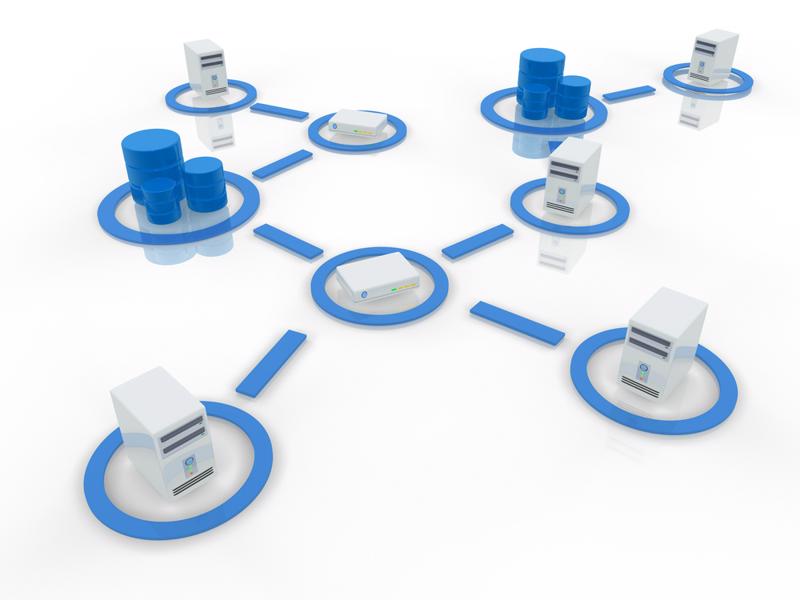
Separated data creates bubbles where information can be misplaced or duplicated, resulting in a slower data analysis process. Separated data creates bubbles where information can be misplaced or duplicated, resulting in a slower data analysis process.

Centralized businesses may miss real-time updates
Businesses face another challenge as they expand. Data collection has, in the past, slowed with remote locations. Before IoT and Industry 4.0, organizations were bound with paper and email communications. Remote branches typically grouped data reports into weeks or, more likely, months.

This approach meant that the central location effectively made decisions with month-old information. When it comes to minimizing the damage from data breaches, every hour matters. Luckily, many institutions can now provide data streaming in real time. Those that can’t must prioritize improving information flow immediately. Cybercrime looks for the weakest aspect within a company and tries to exploit the deficiency.

For data analytics to work properly, businesses need access to the full breadth of internal data. The more consistent and up to date this information is, the better CISOs and IT departments can make coherent and sensible decisions.

Visibility may not sound like the answer to fighting cyberattacks, but it is a crucial component. Companies need to be able to look within and adapt at a moment’s notice. This strategy requires not just the ability to see but also the power to make quick, actionable adjustments. Those organizations that still segment data will find this procedure difficult and time consuming.

As cybercrime becomes an expected aspect of business operations, those who still think in siloed brackets must change their mindsets or face expensive consequences.

Exploring the true value of a CISO

As cybersecurity issues become more prevalent, one position within the corporate ladder is gaining new attention: the chief information security officer. The financial burden of data breaches continues to rise. One recent report from Accenture stated that the average global cost of cybercime reached $11.7 million in 2017. This was a 27.4 percent raise from $9.5 million in 2016.

Along with the rising expenses of cyberattacks, companies have been spending more on protection, primarily on CISOs. Security Current data indicated that the overall average salary for an CISO was $273,033 by end of 2016 and this number is only expected to have increased. As organizations continue to pay more for CISO expertise, the question becomes: What value do CISOs truly bring to the organizations they serve?  

Distilling decision-making to one person
Cybercriminals have certain inherent advantages over the companies they target. For one, their anonymity. Hackers typically research an organization's staff as this aids with spear phishing and other data breach initiatives. By contrast, businesses have no certainty they're even being targeted until they've been attacked.

Another crucial advantage on the side of hackers is that many corporations, especially those small- to medium-sized businesses, don't have CISOs. This means that all cybersecurity policies and initiatives must go through the IT department or other group. When a chief technology officer has to deal with cybersecurity on top of other duties, the initiatives can be slowed, in some cases encountering month-long delays or more.

Cybercriminals are constantly adapting and incorporating new malicious software into their arsenals. In order to keep pace with this rapid innovation, one person within the organization must function as the hacker's opposite, keeping the company cybersecurity policies fluid and responsive. As Helpnet  Security pointed, CISOs must not only be leaders but also serve as the link between innovation and defense. A single, dedicated person can do this much more effectively than a distracted team.

Having a leader creates a clear, authoritative flow for decision making. Having a leader creates a clear, authoritative flow for decision-making.

Presenting a single, unified cybersecurity vision
Likewise, a C-level executive is typically the only class of employee capable of making real, impactful decisions within a corporate structure. Unfortunately, many executives and decision-makers remain uneducated about issues of cybersecurity. A BAE Systems survey found only 42 percent of executives felt they were very or extremely knowledgeable about their company's cybersecurity policies.

In order to create comprehensive, overarching information security standards, businesses need a respected voice in the room who can articulate and educate other executives on the need for cybersecurity initiatives. CISOs have this presence and, unlike CTOs, they are not hindered by distractions that can occur in other business segments. 

"Think in terms of 'when' instead of 'if.'"

Creating and updating corporate response strategy
Experts agree that companies that develop cyberattack response strategies minimize losses and more quickly seal breach points. While it is nice to hope that your organization will never be affected, the far more prudent strategy is to think in terms of "when" instead of "if." When a cyberattack occurs, organizations must have a clear, itemized response plan.

According to Risk Management, the best plans are proactive; changing biannually or even quarterly to adapt to new methods of cyberattack. A comprehensive plan includes steps like workforce education, breach detection tools, consumer alerts and legal recourse tools.

Once a data incursion occurs, the CISO and his or her team must be able to detect it immediately. With cyberattacks, the longer they go unnoticed, the worse they are. Placing a CISO in charge of maintaining and updating this response plan will ensure that it gets done and comes from a point of clear authority.

When a data breach occurs, the last thing that decision-makers want or need is to be arguing about what to do and who should do it.

Allowing the IT team to focus
IT teams within companies are frequently overburdened. In addition to maintaining and updating company software, IT personnel regularly respond to the daily crises of other employees. Every hardware, email or other type of problem distracts IT groups from performing their primary duties.

While typical employees tend not to notice whether or not an operating system is updated, it is these performance checks that ultimately help keep company networks safe from unauthorized access.

Bringing in a CISO allows the IT group more time to focus on their core responsibilities. The CISO may even operate alongside regular IT staff during certain times, however, it is best not to overlap duties too much. CISOs can handle red flags, such as phishing emails and imbedded malware that may otherwise escape detection or occupy IT manpower.

CISOs don't need to be paid a quarter million dollars a year to be valuable. Essentially, they act as a point person in  the realm of cybersecurity, a clear head that can dictate commands and formulate strategy. Too often, companies take a relaxed approach to cybersecurity, which almost always results in lost income and damaged reputation.

For organizations that cannot afford to keep a full-time CISO, other options remain. Cloud solutions tend to be more secure than in-office networks and some managed IT providers offer the same level of oversight and proactive planning. Regardless of who or what is in charge of information security, companies must prioritize all compliance and protection development as crucial issues.

Data Madness: Physical and digital, ensuring that critical data stays safe

With March winding down, it is important to remember the significance of confidential corporate information. Data has been called the new oil, however, as Business Insider pointed out, this is not a great comparison. Unlike oil, more data does not intrinsically mean greater value. The nature of this information greatly matters.

So really, data is more like sediment. Some bits are just pebbles – numerous beyond count and basically interchangeable. However, certain information – like say personal identification information and dedicated analytical data – is immensely valuable. These are the gemstones, the gold, and this data must be protected.

To avoid data madness, or the immense financial and irreparable damage done by lost confidential information, follow these tips to safeguard valuable data:

"Around 23 percent of IT thefts occur in office."

Securing physical data
While many organizations worry about theft from cars, airports or other public places – not enough information is paid to a real danger: the office. According to a Kensington report, 23 percent of IT thefts occur in office. This is nearly 10 percent higher than hotels and airports.

The same report found that over a third of IT personal have no physical protection in place to prevent hardware from being stolen. Only 20 percent used locks to protect hard drives.

While organizations worry about small devices like wearables and smartphones, basic security cannot be overlooked. Companies must take steps to ensure that only employees or approved guests have access to the premises. Even then, not every worker needs universal access. Server rooms and hardware storage should be kept behind additional locks.

IT teams should also be required to keep a thorough inventory of all network-enabled data devices. This will alert the organization quickly should a theft occur. While cybersecurity grabs headlines – the importance of a good, strong physical lock cannot be overstated.

Malicious third parties are not above using simple and primitive tactics.

Protecting digital data
While physical protection is essential, cybersecurity is rising in importance. Gemalto data states that, since 2013, more than 9 billion digital records have been stolen, misplaced or simply erased without authorization. More troubling is the recent increases in data loss. Gemalto also recorded a steady rise data breach occurrence and a dramatic uptick in misplaced or stolen information.

Cybercriminals adapt quickly and their tools are constantly evolving. Deloitte released a report chronicling the increasing tenacity and sophistication of ransomware, a disturbing cyberattack that strips away essential data access from organizations and charges them to get it back. Infamous attacks like WannaCry made headlines last year and unfortunately these incidents are expected to become more common.

When enhancing cybersecurity, take a company-wide approach. Every employee with network access needs to be educated on basic risks. Network administrators should also structure internet connectivity to run on the principle of least privilege. As with the physical server room, not every employee needs access to every file. Permissions should be given sparingly.

Lastly, businesses need a concrete plan if and when a data breach do occur so that they may respond efficiently and swiftly to contain the attack. 

Finding  the point of breach quickly can reduce the damage done by cybercriminals. Finding the point of breach quickly can reduce the damage done by cybercriminals.

The Cloud Advantage
One of the reasons that cloud services are so popular is that they alleviate certain cybersecurity concerns. Many businesses, especially smaller organizations, have budget restrictions, whereas a cloud services provider like Microsoft annually invests $1 billion in cybersecurity, according to Reuters.

Handing off information security concerns to a trusted organization with more resources is a way to help safeguard your data, backing it up so that it will never be lost or stolen by a malicious third party.

Data Madness: Exploring the reliability of in-house data vs. cloud servers

Much is made today about choosing the right kind of data storage. When you’re running a team, the last thing you want is for some crucial information to go missing. Such a setback can be disastrous, especially if the data lost was from a survey or customer response. In addition, you have the added anxiety of only hoping the data was lost, not stolen.

As data madness continues, we’re exploring the most secure methods to backup essential data. In today’s article, we’re putting the two most popular solutions under a microscope: in-house servers and cloud data storage. For many companies, success literally hinges on data security. Know the best method and keep your organization running.

How to keep in-house servers running effectively
The longer a server is in operation, the more likely it is to break down. A Statista report found that only 5 percent of servers broke after the first year. By the fourth year, that number had more than doubled. By year seven, nearly 20 percent of servers failed. While the likelihood of a break is still relatively low after seven years, organizations are clearly taking a huge risk. Executives at this hypothetical company might as well tell their employees that there is only an 80 percent chance for productivity each day.

Servers should be continually replaced and upgraded to be effective at securely housing data. However, age is not the only factor that can cause a server to malfunction. RocketIT stressed the need to continuously upgrade server software to keep it protected and compatible with modern systems.

Since servers are gold mines of confidential data, they are the prime targets for any malicious hacker. Keeping servers up to date not only keeps them running smoothly, it also reduces the risk of viruses and malware being able to infiltrate the hardware.

Lastly, if your business opts for servers then it needs a dedicated, maintained space in which to house them. According to Serverscheck, the ideal server room temperature is between 64-80 degrees Fahrenheit with no more than 60 percent humidity. Servers work best with constant conditions so any change could impact device functionality. In addition, if there is a flood or water leakage in the room, then the organization is at serious risk of data loss.

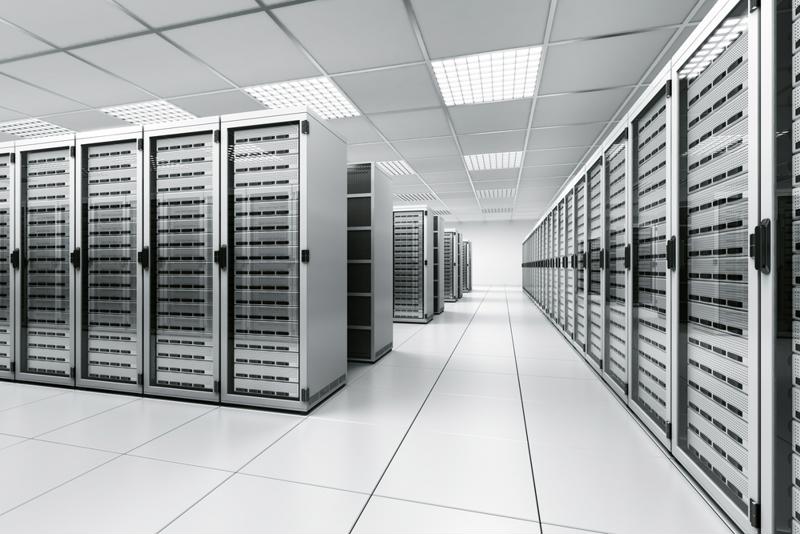
Servers need dedicated, environmentally-controlled space in order to function at peak levels. Servers need dedicated, environmentally-controlled space in order to function at peak levels.

Choosing the right professional cloud services provider
If your company instead opts for a cloud service provider, it must choose the right provider. There are currently numerous options in the field, with Amazon and Microsoft standing out as the dominant players.

Many cloud service providers use physical servers themselves. Essentially, they handle all the maintenance, storage and cybersecurity responsibilities and charge clients for the operations. While some servers, like Cisco in a recent fiasco, have lost client data, the problem has so far been a rare occurrence, according to The Register.

However, there is another side to cloud data. It can keep existing even when the order is given for deletion, as some celebrities learned in an unfortunate way, according to Wired. If an organization is going to store data through a cloud provider, they should be very careful if and when additional backups are made. Data that survives its intended expiration can be dangerous, especially if the parent company has no idea it exists.

And the most secure data storage method is…
Oxford Dictionaries chronicled the phrase “you can’t have your cake and eat it too” as a way of summarizing that you need to choose only one option. With data storage – you can eat as much of your cake as you want, while still having an infinite supply left over. For companies serious about safeguarding data, the best option is simply both.

Backing up data to multiple sources is one of the best ways to ensure that it is never accidently deleted. Just be sure that every copy is secure, to keep classified information out of malicious hands.

Storing data in multiple sites ensures that it lasts longer. Storing data in multiple sites ensures that it lasts longer.