Critical workloads and applications like Oracle, VMware, virtual machines and more run on the traditional storage area network (SAN). Business users expect a certain level of immediacy when opening applications. In truth, that level of responsiveness wouldn’t be possible without an efficient storage solution.
Whether it’s big data servers, email, the CRM system or document management system, they all would run at a snail’s pace without the right SAN. If you want your sleek, new applications to perform at their peak to maintain a productive workforce, make sure your SAN is prepared to make it happen.
Because companies have a lot of capital tied up in storage technology, the desire to extend and enhance existing system isn’t surprising. Storage solutions exist at the heart of the data center, and the key to success is to first determine which storage systems are right for your specific strategic business needs.Since the data boom between 2011 and 2013, companies are being inundated with new customer data. This surge in data requires storage solutions that can keep up with it all. The storage hardware, software and services industry has grown more than 50 percent—from a $43 billion industry in 2009 to $65 billion in 2015. We’re seeing this demand continue to rise.
Assessments can analyze every byte of data throughout your storage solutions and clean up old data that often gets left behind by legacy applications. Next Gen converged infrastructure solutions and storage offerings may be used to take once-divided data centers and unify them to streamline business processes and application performance. These converged or hyper-converged solutions can be built for your unique workloads and environment to solve your specific business needs.
https://projectrecognition.isgtech.com/wp-content/uploads/2019/04/power-button-computer.jpg266702ISG Technology/wp-content/uploads/2018/02/isg-logo.pngISG Technology2016-01-11 03:31:082016-01-11 03:31:08How To Speed Up Applications
As companies grow and mature, their IT infrastructure needs to evolve with them. This includes capabilities surrounding mobile app development and operations workflows. More enterprise technology begins to revolve around mobile devices, and making sure your company is on top of the game and surmounting the challenges of mobile app development is going to be hugely important.
Demand for mobile apps is increasing at an astonishing rate. According to IT research firm Gartner, there will be 2.1 billion mobile phones sold by 2019. As a result, by the end of 2017, this demand will be growing at least five times faster than IT can deliver.
Here are a few tips on how to deal with app development challenges within your organization:
1. Establish goals before beginning
Any development project should have concrete goals. The first step in any successful initiative is to ensure that there is a particular end in mind before you get started. It could help to ask certain kinds of questions:
Where does mobile fit into the IT strategy of this organization?
How do we prioritize mobile projects?
What kind of security do we need for these development projects?
By first establishing end goals of the app development aspect of your organization’s IT infrastructure, it greatly increases the chance for success.
It’s important to first develop goals as far as your mobile IT strategy.
2. Invest in the cloud
Mobile Enterprise contributor Sravish Sridhar noted in March 2015 that 63 percent of enterprise CIOs are going to consider deploying mobile projects in the cloud. With the inherent cost savings, scalability and flexibility that cloud environments offer, deploying and developing applications in the cloud can take a lot of headache away from IT endeavors.
“Leveraging the cloud during app development can be beneficial during prototyping or parallel branch development,” Sridhar noted
“Demand for mobile app development is increasing at an astonishing rate.”
3. Take advantage of continuous integration and delivery
One of the basic tenets of agile app development and DevOps methodologies is the idea of continuous integration and delivery. According to IBM, the pressure on development teams to push apps to market as quickly as possible has generated a need for agile development methods that integrate the steps of planning, development, testing and delivery into one continuous process – instead of conducting each step linearly. You should utilize these techniques to make it easier to create and deploy applications.
Contact the managed services experts at ISG Technology for more information about how we can help you with your app development operations – whether that means pairing you with the right cloud deployment or helping you consolidate your infrastructure. Our application support teams are here to assist you in any way they can.
https://projectrecognition.isgtech.com/wp-content/uploads/2019/04/scared-computer-disaster.jpg266702ISG Technology/wp-content/uploads/2018/02/isg-logo.pngISG Technology2016-01-08 13:20:452016-01-08 13:20:45How to deal with IT infrastructure challenges: App development
When people go to the hospital for help, they’re already in a vulnerable position. They’ve become the victim of circumstance, and all they want is to get better. Sadly, there are malicious individuals out there who want to exploit these people by accessing their private health care information and using it for personal gain.
A new study conducted by IDC, which was reported on by the International Business Times, found that patient information is nowhere near safe from hackers. The report stated that one-third of all heath care client in the U.S. will have their records breached in 2016. Despite the horrific nature of stealing from someone with a serious medical condition, it seems like the hacking of health care records is on the rise.
Medical records are extremely valuable on the black market, and for good reason. These documents generally have a lot of private data that could be worth a lot to the wrong people. Health care documents generally have banking information on them, and sensitive medical conditions could very easily be used by a hacker to blackmail the patient.
“A single medical record is worth around $363.”
This is why it isn’t really surprising that the Ponemon Institute found that health care records cost the industry more than twice the average for all other sectors. A single medical record is worth around $363 per document, with the average of all industries being $154. The health care field simply has a lot of valuable personal information hidden within their data storage systems, and yet they may be woefully unprepared for a data breach event.
Medical field isn’t ready for hackers
Although those working within medicine are extremely knowledgeable about the human body, they aren’t IT experts. This isn’t their fault really, as knowing how to perform surgery is more important to their job than knowing how to construct a secure data management system. That being said, this lack of knowledge about IT is costing the medical profession a lot in terms of data breaches.
A separate study conducted by the Ponemon Institute found that the health care industry simply cannot handle the sophistication of modern cyberattacks. The report discovered that 78 percent of medical institutions had experienced a malware attack. While that number should be high enough on it’s own to scare health care professionals, the study really drove this point home by finding that only 40 percent of medical organizations feel cyberattacks are something to be worried about.
The fact that less than a majority of health care institutions think hacking attempts are worrisome shows how uninformed many in the medical industry are in terms of cybersecurity. While these professionals obviously need to focus on the physical health of their patients, the health care sector needs to start focusing on the cyber health of these people as well.
Keeping your patients’ information safe is just as important as improving their health.
Proper data management and cybersecurity is a must
Those working within the medical field need to start putting an emphasis on cybersecurity within the workplace. Ignoring the problem, or simply staying uninformed about it, is the surest way to leave patient information open to attack. Of course, this doesn’t mean doctors need to drop the medical textbooks in favor of cybersecurity manuals. Rather, those within health care need to look outward for experts who can help them get a tighter hold on the private information of their patients.
Anyone within the health care industry worried about patient data should absolutely contact an ISG Technology security professional today. With services ranging from malware removal to intrusion detection and prevention services, ISG Technology can help your organization stay safe.
https://projectrecognition.isgtech.com/wp-content/uploads/2019/04/tablet-interface.jpg266702ISG Technology/wp-content/uploads/2018/02/isg-logo.pngISG Technology2015-12-14 15:09:592015-12-14 15:09:59Is your health care facility's data safe?
Making sure sensitive data stays private is a constant battle against the ever-increasing threat of cybercriminals. Cybersecurity is a must in modern society, and yet many company executives simply do not know how to approach it. A lot of these people don’t know enough about cybersecurity to put an emphasis on it, while others remain willfully ignorant about the threat hackers present to their companies.
In our many years dealing with cybersecurity through network security assessments, we’ve run into three kinds of executives present in the boardroom in terms of the security of their company’s data: ostriches, doomsday preppers and Navy SEALs. As such, we’d like to take some time to discuss what each of these personality types mean, and what you can do to avoid the bad ones.
Ostriches
Even outside of cybersecurity, everyone knows at least one person who fits this personality description. Ostriches are the people who absolutely refuse to face problems head on, instead opting to stick their heads in the sand in hopes that the conflict will resolve itself.
“Hackers are working tirelessly to steal your company’s information.”
As anyone who has provided malware removal for an ostrich will tell you, this is by far the worst way to deal with the threat of a data breach. There are very few problems that actually go away by ignoring them, and cybercriminals certainly aren’t on that list. In fact, a survey conducted by PricewaterhouseCoopers found that 79 percent of respondents had run into a security breach in the last year. Hackers are working tirelessly to steal your company’s information, and simply ignoring the problem isn’t going to make it disappear.
Doomsday preppers
Doomsday prepper executives are the ones in the boardroom constantly terrified of a cyberattack. They spend every waking hour worrying about cybercriminals, but they don’t have a strategic plan to protect company, resulting in over/under investing in solutions that don’t fit their need.
Although these executives are certainly right to be concerned – IBM found that the average consolidated cost of a breach of company data being $3.8 million – they take this fear entirely too far or not far enough. These people throw money away on state-of-the-art cybersecurity systems developed for military applications, when all their companies really need is a solid firewall and periodic malware removal managed services. Doomsday preppers may fare better in the market than ostriches do, but they tend to max out budgets or leave systems over exposed.
Doomsday preppers waste too much money on security systems they don’t need.
Navy SEALs
The Navy SEAL is the pinnacle of tactical precision. This soldier is world-renowned for his constant preparedness, and yet he’s never over-encumbered. A SEAL only carries what he needs into battle, and nothing he wears or owns is superfluous in any way. He is effective, efficient and always gets the job done.
This is the kind of executive you want to be when it comes to cybersecurity. The Navy SEAL in the boardroom knows about the constant threat of cyberattacks, and yet he does not over-prepare. He is aware of the threat and is possibly scared of a breach of his company’s data, and yet he does not allow his fear to paralyze him. He makes decisive, cost-effective moves that put his company in the best defensive position possible against hackers.
Of course, the executive Navy SEAL doesn’t develop overnight. Knowing which systems are necessary and which aren’t takes a lot of cybersecurity experience, something very few boardroom members have. The executives of a company already have a lot on their plate, and learning all of the intricacies of a proper security system simply isn’t an effective use of their time. They need outside help from experts in the field to guide them.
Thankfully, ISG Technology is here to help you on your journey toward Navy SEAL preparedness. Our years of experience within the cybersecurity field have given us the knowledge necessary to know what your company needs, and our trained technicians can help you understand what you should know about your security system. With managed services ranging from malware removal to firewall protection, ISG Technology can help secure your company’s data.
https://projectrecognition.isgtech.com/wp-content/uploads/2019/04/power-button-computer.jpg266702ISG Technology/wp-content/uploads/2018/02/isg-logo.pngISG Technology2015-12-14 13:06:212015-12-14 13:06:21When it comes to cybersecurity, are you an ostrich, a doomsday prepper or a Navy SEAL?
Keeping a business running takes a lot of hard work and effort from the boardroom. A modern company of any size has quite a lot going on, and executives are constantly busy with tasks that keep the money flowing. This generally means delegating work that isn’t of an immediate concern to other departments. A lot of the time, creating and developing a disaster recovery plan falls into the category of work that gets pushed to the IT department.
While your IT employees certainly know more than the boardroom about the operations of your technological equipment and data systems, that doesn’t mean you should avoid taking an active role in disaster recovery. A solid plan in the event of a catastrophe is vital to any company’s continued success, and as such there are a few things every executive needs to know about disaster recovery.
“Disaster is coming to your business.”
1. Data loss and downtime are an eventuality
When discussing disaster recovery in the boardroom, it’s important to realize that it isn’t a conversation about if you’ll need a plan, but when you’ll need to implement one. Talking about an event that disrupts your company’s ability to conduct business is uncomfortable to say the least, but pushing this discussion to the side as a mere possibility is unproductive and seriously dangerous. Whether you want to think about it or not, disaster is coming to your business. The question is whether or not you’re ready for it.
The 2014 EMC Global Data Protection Index supports the eventuality of downtime in the modern workplace. This survey of 3,300 IT decision-makers, which was conducted for EMC by Vanson Bourne, found that 64 percent of respondents had encountered a data loss event in the previous year. This alarmingly high number simply goes to show how important a serious discussion is about creating a disaster recovery solution. Bad things can happen anywhere at any time to anyone, and acting like you’re above these kinds of events will only make your company fall harder.
2. Outside forces are the least of your worries
When you think about the word “disaster,” what’s the first thing that pops into your head? Maybe it’s a tornado ripping through your company’s headquarters, or maybe it’s more subtle like flood waters seeping into your basement and destroying your electrical equipment. Well, when it comes to disasters that result in data loss, these events can’t hold a candle to what your employees can do.
The worst disasters are a lot more discreet than a tornado.
According to the 2015 Data Health Check study conducted by Databarracks, the leading cause of data loss is human error. The report found that 24 percent of all data loss events studied had roots in people making some kind of mistake. Of course, this doesn’t mean you should stop trusting your staff. Your employees are the backbone of your business, working day in and day out to make the company successful.
That being said, no one’s perfect. People make mistakes, and sometimes these missteps end up costing the company big time. Your employees are in constant contact with company data, which means they are the biggest risk factor when it comes to data loss. This is why it’s absolutely vital for the boardroom to take an active role in disaster recovery implementation. While each worker is a vital cog in the machine in your company, they’re also a liability, and this risk needs to be mitigated with a solid disaster recovery solution.
“Your staff simply doesn’t know enough about disaster recovery.”
3. It’s cheaper to outsource
With the number of resources offered by the Internet, a lot of people are opting to work on something themselves rather than hire someone to do it. While this is fine when it comes to a new porch or changing your oil, developing a disaster recovery plan in-house simply isn’t a good idea. To begin, your staff simply doesn’t know enough about disaster recovery to implement an effective plan. Your IT employees obviously know more about your data systems than anyone else, but creating a plan that mitigates risk in the event of a data loss event may not be in their wheelhouse.
While this should be enough to convince you to outsource a disaster recovery solution, recent data from Computer Economics has found that doing so is actually cheaper than creating a plan in-house. The IT Outsourcing Statistics 2015/2016 found that 92 percent of IT organizations surveyed found that they spent the same amount of money or less outsourcing their disaster recovery plan than when they created one on-site.
This means that by creating a disaster recovery plan with your own employees, not only are you getting a less effective solution, but you’re also paying as much or more than if you’d gone to a disaster recovery expert. Obviously, your IT department is going to play a vital role in the creation of a plan in the event of a disaster. However, your company would be better served if these employees spent their time working on internal IT goals rather than developing the plan all by themselves.
Executives have a lot on their plates when it comes to keeping a company operational. That being said, the boardroom needs to take a more active role in promoting a solid disaster recovery plan for their business. Companies without a solid plan are a ticking time bomb, and if your enterprise doesn’t have a disaster recovery solution, now is the time to act. Thankfully, ISG Technology is here to help. Take a look at our Disaster Recovery and Business Continuity page and see why ISG Technology is a leader in disaster recovery solution development.
https://projectrecognition.isgtech.com/wp-content/uploads/2019/04/sky-scaper.jpg266702ISG Technology/wp-content/uploads/2018/02/isg-logo.pngISG Technology2015-12-14 09:42:382015-12-14 09:42:383 things the boardroom needs to know about disaster recovery
When it comes to things like cybersecurity, the person in the company with the most to say is generally someone from the IT department. CEOs and other executives obviously are aware of the ever-present possibility of a cyberattack, but when your day-to-day responsibilities involve work outside of technology, it can be easy to forget just how vigilant hackers are.
While this is a pretty big trend in multiple industries, we believe those outside IT need to take a step back and understand the reality of the situation they’re dealing with. Cybercriminals are a lot more active than the general populace thinks, and sticking your head in the sand and ignoring the problem doesn’t fix anything. CEOs shouldn’t just be scared of cyberattacks – they should be terrified.
CEOs need to be more concerned with cybersecurity than they currently are.
1. Hackers work tirelessly to steal your company’s data
One of the biggest mistakes company leaders make when discussing cybersecurity is underestimating what hackers can do. A lot of people have this idea in their heads that breaking the law is taking “the easy way out,” and as such many executives assume these individuals are lazy.
This couldn’t be further from the truth. Although stealing information and data from helpless businesses is certainly a detestable act, being able to do so demands immense amounts of time and energy. Hackers are often highly skilled individuals, and one of the perks of a cybercriminal lifestyle is the challenge of breaking into new and interesting systems.
“Hackers created 317 million new bits of malware in 2014.”
Breaking into these networks often requires malware that has been designed to exploit a particular vulnerability, so it’s no surprise that hackers created 317 million new bits of malware in 2014, according to CNNMoney. These men and women are working constantly to steal what’s yours, and any CEO should keep this in mind when developing a cybersecurity strategy.
2. The company’s reputation may never recover
With all the data breach incidents covered by the news in recent years, clients are warier than ever about trusting companies with their personal information. Choosing the wrong business used to just mean a bad service, but now it could very well translate to losing money as well as control over your online life. The modern consumer is constantly taking this risk when he gives his personal information to a company, and he’ll drop any business that can’t adequately protect it.
This is why it isn’t shocking that the Ponemon Institute found that a data breach could force a decline in the value of your company’s reputation by as much as 31 percent, depending on the specific incident. clients simply cannot give second chances these days, and companies are quickly discovering the pitfalls of having a lax cybersecurity managed services provider. It just isn’t worth the risk, and any CEO who doesn’t value security should absolutely prepare herself for the inevitable reputation damage of a serious data breach.
3. Your reputation may never recover
Although you’re obviously very concerned about your company, let’s be honest: Your own reputation matters to you. It’s not vanity or an overinflated ego that’s driving that feeling; it just means you value all the hard work you’ve put into getting yourself to where you are today.
That being said, the only reputation that won’t recover as quickly as your company’s after a data breach will be yours. Clients are obviously extremely fickle in today’s market, but their opinion of your company can possibly be slowly swayed with a lot of hard work and rebranding.
A CEO’s reputation, on the other hand, will be pretty much destroyed if the company becomes the victim of a data breach on a large scale. Just take a look at Target’s former CEO, Gregg Steinhafel. After the dust settled from a 2013 hack that allowed 100 million clients’ personal data to be stolen, Steinhafel agreed to give up control of the company and step down, according to Forbes.
Steinhafel isn’t the only CEO to have his reputation irreparably damaged following a massive data breach. Noel Biderman, CEO of Ashley Madison, left the company he founded in 2001 after a massive cyberattack exposed the information of many of the site’s users in July 2015.
While the IT department is obviously very concerned about the possibility of a cyberattack, CEOs need to be even more involved in the process of looking into cybersecurity managed services. Malware removal, disaster recovery solutions in the event of a cyberattack and 100 other things all need to be considered in this modern world. Thankfully, CEOs don’t need to go about this alone.
ISG Technology has years of experience in the cybersecurity managed services space, and can help you make sure your company is as secure as it can be. Although hackers and cybercriminals are certainly scary, this fear doesn’t have to be paralyzing. Contact an ISG Technology cybersecurity expert today!
https://projectrecognition.isgtech.com/wp-content/uploads/2019/04/sky.jpg266702ISG Technology/wp-content/uploads/2018/02/isg-logo.pngISG Technology2015-12-14 09:30:382015-12-14 09:30:383 reasons why CEOs need to care more about cybersecurity
When it comes to ensuring business continuity and keeping all parts working properly, it’s crucial for communications between departments to be easy and effective. You especially want interactions between executives and IT administrators to be productive. In those conversations, if there is any kind of disconnect with either party, bottom lines could suffer.
How does the proper implementation of IT impact corporate objectives? Having the right technology solution in place can make a difference in the long run across the board, but decision-makers sometimes don’t consult their IT departments before investing in something new. According to InformationWeek contributor Andrew Froehlich, this may be due in part to the fact that new technologies are constantly coming out, sometimes so quickly that tech staff can’t keep up.
Shadow IT is creating cybersecurity vulnerabilities for enterprises.
Shadow IT is compounding this issue even further. With the continued implementation of bring-your-own-device policies, extraneous technologies make their way into companies’ networks. Employees are carrying their own smartphones and tablets into the workplace and downloading different – and perhaps unapproved – applications to use with their jobs. This creates cybersecurity and compliance issues due to the entrance of unknown actors on the network.
For instance, one study on the information systems of health care organizations from 2014 found that the average provider has 928 cloud services running on its systems – only 10 percent of which are known to their IT departments. In addition, only 7 percent of the total cloud are compliant with industry-specific standards. These kinds of statistics illustrate why it’s crucial for the IT department to be involved in the decision-making process of any company. To ensure compliance and maintain security, technology teams and executives need to be on the same page.
What’s the solution?
“Communication between IT staff and the executive board needs to be efficient.”
Different departments need to work together to elicit the best outcome for a business – meaning that to achieve the best bottom line, communication between IT staff and the executive board needs to be efficient. Computer Weekly contributor Marc Cercere noted that the agendas of both the business technology and IT departments are equally as important to focus on and improve.
For instance, due to the increase in shadow IT and the continuing focus on cybersecurity across every industry, the IT department should be consulted about any change to the business’s technology strategy. Instead of implementing tech “solutions” that may or may not solve a company’s problems, getting the go-ahead from the IT department allows every portion of the company to work in unison toward the same goal.
In today’s business climate, technology should align with corporate objectives. You want IT to work in your favor. If relationships within your business between executives and the IT department aren’t up to par, costly disconnect can occur and business processes can be hampered.
You want to make sure you’re keeping the IT department looped into the discussion about new tools and strategies, and that can be made simpler when partnering with a managed service provider. Get in touch with the managed services professionals at ISG Technology today to see how our expertise can contribute to your specific objectives.
https://projectrecognition.isgtech.com/wp-content/uploads/2019/04/ethernet-cables.jpg266702ISG Technology/wp-content/uploads/2018/02/isg-logo.pngISG Technology2015-12-12 15:26:352015-12-12 15:26:35Involve IT in strategic planning
Maintaining computing infrastructure is one of the most important parts of owning and operating a company. Without technology, organizations wouldn’t be as productive and wouldn’t be able to conduct business in the same way – so in order to utilize your IT infrastructure to its fullest potential, you have to make sure it’s optimized and ready for whatever you throw at it.
Let’s take a look at some of the best benefits of prioritizing your IT portfolio and giving your organization the best tools possible:
1. Provide better client service
Investing in technology solutions that will help your company provide better service and create better products should always be at the top of any “to-do” list for the IT department. Incorporating tools like client relations management software and enterprise resource planning into your cloud environments can offer your company a chance at higher revenue and better client engagement, according to Demand Media’s Alexis Writing. Your IT infrastructure needs to be at peak performance if you’re going to get everything you can out of your CRM solutions.
“Businesses need to maintain clear visibility into their entire IT environments.”
2. Boost agility
Virtualized and cloud infrastructure tools both offer benefits that would allow a business to practice better data management and, in the long run, more effectively and efficiently meet client needs. Together, they add complexity to your computing environment, which can sometimes equal slowdowns. According to eWeek contributor Chris Preimesberger, businesses need to maintain clear visibility into their entire environments if optimization is to occur – meaning it’s crucial for the IT infrastructure to be as transparent as possible. When IT managers can have a holistic view of their computing equipment, it becomes easier to practice business agility.
3. Increase productivity
Making sure your technology solutions are all on the same page also contributes to hefty increases in productivity. There are several kinds of solutions tailored to this kind of function, and one of them would be unified communications technology. UC incorporates multiple forms of communications – unified messaging, email, phone, etc. – into one solution, making it easier to disseminate information across an entire organization.
Recent projections from the researchers at MarketsandMarkets indicated that the unified-communications-as-a-service market will be worth a total of $24.88 billion by 2020, demonstrating the clear demand for these types of solutions. Implementing UC across your company not only helps you stay abreast of what’s going on – it can also boost productivity across the board as employees have the ability to work from home or on the go.
4. Get more out of your servers
When it comes to physical infrastructure within the data center, making sure it works for you is crucial. That includes giving your servers a tuneup every once in a while and investing in data center technologies like cooling and monitoring solutions that keep an eye on your equipment so you don’t have to.
Part of optimizing server functionalities also includes investing time and money to make sure you’re energy efficient. A recent Anthesis Group study found that nearly 30 percent of servers worldwide are comatose – in other words, they are sitting in data centers around the globe, sucking up energy but not doing any real computing. Taking those servers and consolidating them in order to get more out of virtualization and the cloud is one way to optimize and strategize in the IT department, according to Data Center Knowledge. When less energy is taken up by servers, your business can be more efficient and save money in the long run.
Consolidating servers can lead to energy efficiency and distinct cost savings.
5. Strengthen networks
Investing in networking solutions can increase the functionality of your data center and enhance computing power – an important step to take when you want to more quickly complete tasks and balance workloads. TechTarget noted that network function virtualization, for instance, has the ability to decrease the amount of necessary network hardware and thus decrease complexity across the board. This contributes to improved business processes and, eventually, better bottom lines.
When it comes to investing in and maintaining an efficient, effective computing portfolio, it helps to have a team of experts on hand. Contact the managed services professionals at ISG Technology today for more information about how having an optimized IT infrastructure can improve your business functions and make sure you’re keeping up with – and exceeding – the competition.
https://projectrecognition.isgtech.com/wp-content/uploads/2019/04/002.png353900ISG Technology/wp-content/uploads/2018/02/isg-logo.pngISG Technology2015-12-12 15:26:162015-12-12 15:26:16Top 5 benefits of optimizing your IT infrastructure
As companies grow, their technology needs expand with them. Decision-makers have their work cut out when it’s time to choose new IT solutions, and where and how to store your data is one of the biggest considerations an IT executive must make.
Consolidating servers using virtualization technology and migrating data and applications to the cloud are both options for companies to take advantage of as they increase their computing power and need to improve functionality. But, how do you know which option is the correct one for your specific business needs?
Managing your own virtualized infrastructure
Server virtualization has been touted for its usefulness in consolidating IT environments and making computing portfolios easier to manage. According to a study published by TechNavio in October 2014, the market for server virtualization and related services was projected to grow at a compound annual rate of around 28.1 percent over the forecast period from 2014 to 2018, indicating a clear demand for these kinds of capabilities.
When should you consider server virtualization? In the data center environment, consolidating servers into fewer pieces of physical equipment elicits a number of benefits. TechRepublic named reduced hardware cost, fewer hot spots and streamlined data backups as top advantages of deploying virtual machines in the data center. When you’re managing your own VMs, you also have the distinct benefit of not being locked in to a specific vendor, which is one potential issue with the cloud.
Virtualizing your IT infrastructure can be an important way to consolidate servers and cut costs.
When should you outsource to the cloud?
TechTarget noted that enterprise cloud computing can help companies lower operational expenses and further enhance collaboration with business partners. Indeed, Verizon’s recent 2016 State of the Market: Enterprise Cloud report found that 88 percent of IT executives surveyed said the cloud improves responsiveness to business needs, and 65 percent of respondents said it gives a boost to operations in general.
“The cloud improves responsiveness to business needs.”
Cloud storage services negate the need for you to operate your own server room to house all of your company’s data. By outsourcing this function to a cloud provider, it potentially frees up your IT team for other important tasks and can thus enhance the level of productivity in your tech department.
No matter which computing solution you choose, you should consult IT professionals before deploying your environments. Contact the cloud and virtualization experts at ISG Technology for more information about how we can pair you with the correct cloud solution for your specific business needs.
https://projectrecognition.isgtech.com/wp-content/uploads/2019/04/tfe-security.jpg266702ISG Technology/wp-content/uploads/2018/02/isg-logo.pngISG Technology2015-11-18 17:11:462015-11-18 17:11:46Enterprise cloud computing vs. virtualization: When should you invest?
Keeping up with the latest and greatest of technological advancements can be really hard to do, especially when you’re running a business. There are simply too many other things to worry about before upgrading, particularly if the old infrastructure is still getting the job done.
That being said, relying on older technology because it hasn’t broken down yet is an extremely inefficient way to run a business. This is especially true when talking about server virtualization. There are so many benefits to upgrading to a virtualized environment that we took some time to write up a list of why you should consider virtualization right now:
1. Reduce your ecological footprint
Everybody working in technology can attest to how much energy is consumed by IT systems every year. Time writer Bryan Walsh stated that in 2013, the “information-communications-technologies ecosystem” took up about 10 percent of the entire world’s electricity generation. He even went on to state that the world uses 50 percent more energy to move data around than it does keeping planes in the sky.
Entirely too much energy is used within IT and virtualization can help.
This massive amount of energy used simply for upkeep of physical systems shows the massive ecological impact server virtualization offers the world. Server virtualization takes multiple physical machines and brings them to the digital space, storing them all on a single piece of hardware.
This means we can get the processing power of multiple servers while only using valuable resources to power one of them. From purely an environmental standpoint, server virtualization just makes sense.
2. Reduce your costs
While you are most likely more than happy to reduce your company’s intake of natural resources, you’re probably more concerned about what server virtualization can bring to your company in a more financial space. This is yet another area where virtualized machines dominate their physical counterparts.
Having some sort of virtualized environment is going to seriously cut your company’s electric bill. Server virtualization is where you’ll see the majority of these benefits. A lot of server processing power goes unused when the machine is only running a single environment. By combining multiple servers on a shared physical platform, less overall energy is used. This accounts for a huge amount of savings.
Server virtualization can also bring about some great savings in terms of hardware costs. When you virtualize assets, the machines running your operations may be owned and operated by a managed service provider at its specific data center. These facilities are state-of-the-art, which means you’ll be able to benefit from the best hardware money can buy without actually purchasing it yourself.
Finally, but perhaps most importantly, virtualization can substantially cut the costs and complexity of a disaster recovery solution. The time it takes to recover after a disastrous event is severely reduced when operating in a virtualized environment. This has a lot to do with the fact that you won’t have to rebuild servers or applications after a disaster with server virtualization. The shorter recovery time will allow you to meet RTO/RPO goals at a fraction of the cost of a physical server.
“IT workers are generally spread pretty thin in the modern workplace.”
3. You get to focus on internal IT goals
For your IT department, this is going to be an absolutely life-changing benefit if and when you decide to embrace virtualization. IT workers are generally spread pretty thin in the modern workplace. Conducting business in this age means having the technology and systems to do so, and making sure those systems are running is a huge time sink.
A survey conducted by Forrester Research of IT professionals from more than 3,700 companies found that the IT department is constantly putting out fires, with an average of 72 percent of the budget being used for “keep-the-lights-on” functions. By utilizing server virtualization, you can push many of these problems off onto your MSP. While your virtualization provider works out the problems your server is having, your IT department can get back to focusing on internal IT goals. You get the experience of an MSP’s employees in terms of hardware maintenance and repair while also utilizing your own workers to build your business. It’s the purest definition of a win-win scenario.
If you’d like to see what else server virtualization can do for you, or if you’d like to learn more about this amazing technology, make sure to check out ISG Technology’s virtualization page.
https://projectrecognition.isgtech.com/wp-content/uploads/2019/04/video-conferencing.jpg266702ISG Technology/wp-content/uploads/2018/02/isg-logo.pngISG Technology2015-11-18 14:41:542015-11-18 14:41:54Virtualization: The time is now

 It’s important to first develop goals as far as your mobile IT strategy.
 Keeping your patients’ information safe is just as important as improving their health.
 Doomsday preppers waste too much money on security systems they don’t need.
 The worst disasters are a lot more discreet than a tornado.
 CEOs need to be more concerned with cybersecurity than they currently are.
 Shadow IT is creating cybersecurity vulnerabilities for enterprises.
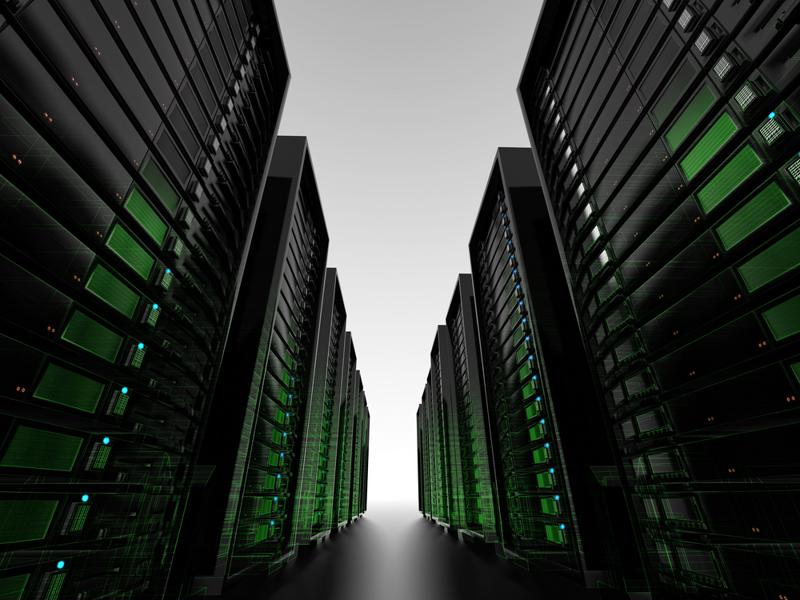 Consolidating servers can lead to energy efficiency and distinct cost savings.
 Entirely too much energy is used within IT and virtualization can help.